2026 Repair Costs: Is Your Older Car a Money Pit Without Protection?
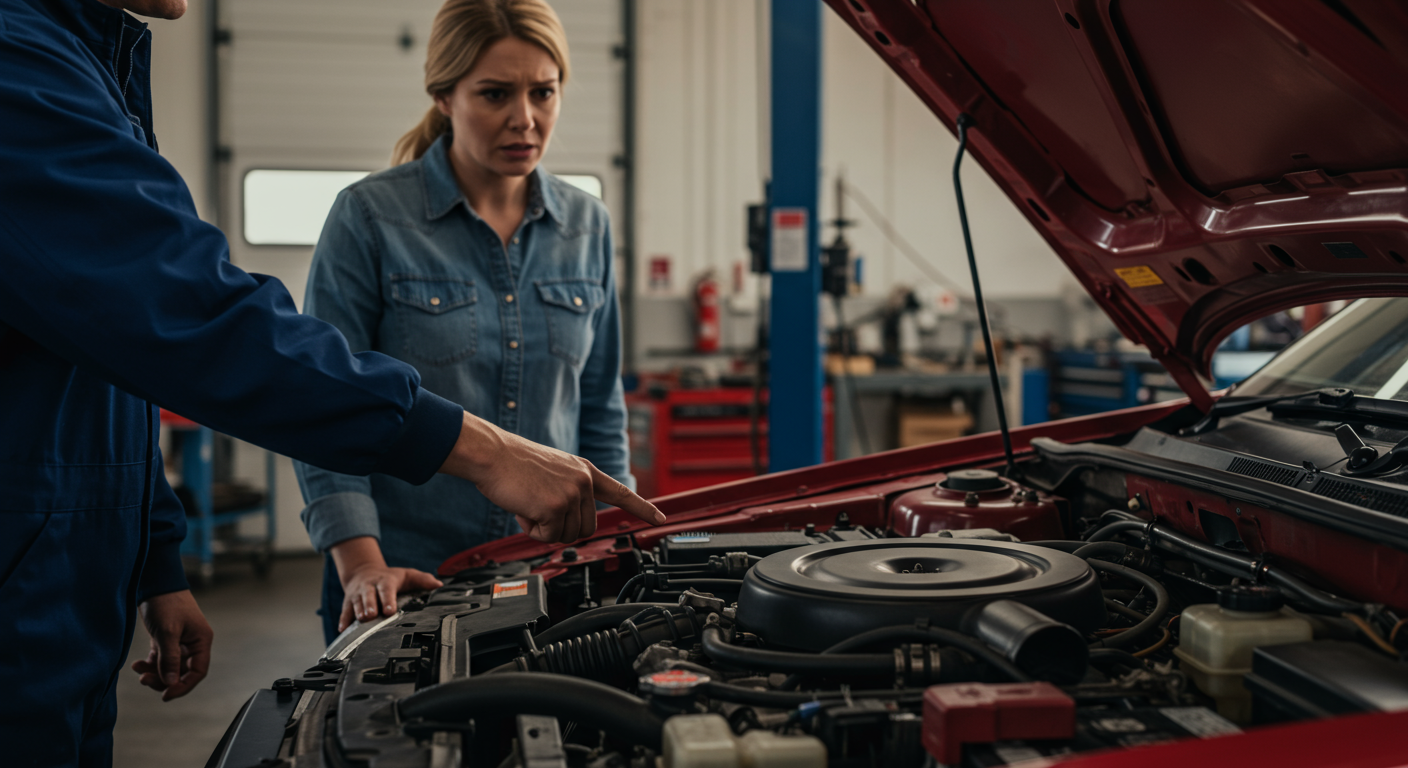
Imagine this: By 2026, analysts estimate the average car on the road will be nearly 13 years old. If you’re like many prudent drivers who plan to keep their trusted vehicle for years to come, this statistic might spark a crucial question: Is your older car destined to become a money pit without a robust vehicle service contract for older cars?
The simple truth is, yes, the financial realities of owning an aging vehicle are becoming more challenging. However, a well-chosen protection plan can transform potential repair nightmares into manageable inconveniences, safeguarding your budget and your peace of mind.
Why Are Car Repairs So Expensive in 2026?
The landscape of automotive ownership is shifting, and with it, the cost of keeping older vehicles running. Several factors converge to create a perfect storm for escalating car repair costs in 2026, impacting even the most diligent car owners.
Firstly, the increasing complexity of modern vehicles, even those a few years old, means diagnostics and repairs require specialized tools and highly trained technicians. This expertise comes at a premium, driving up labor rates across the board.
Secondly, supply chain issues and inflation continue to push up the price of parts. A seemingly minor component can suddenly carry a hefty price tag, making even routine fixes more expensive than anticipated.
Finally, as vehicles age, their components naturally wear out. While regular maintenance can delay some issues, certain parts have a finite lifespan, and their failure can be both sudden and costly.
Common Costly Repairs That Can Drain Your Wallet
As your vehicle approaches or surpasses the 10-year mark, the likelihood of encountering significant mechanical issues increases. These aren’t just minor inconveniences; they can represent substantial financial blows to your household budget.
Consider some common examples: a starter motor, a seemingly small but crucial component, can easily exceed $700 for replacement when you factor in parts and labor. This is a repair that can leave you stranded and facing an unexpected bill.
Even more daunting are issues related to the engine or transmission. Major engine work, such as a head gasket replacement or internal component repair, can easily top $4,000 or more. These are the kinds of repairs that often lead owners to question whether it’s worth fixing their beloved car or simply buying a new one.
Here are just a few high-cost components that commonly fail in older vehicles:
- Transmission system
- Engine components (e.g., timing chain, cylinder heads)
- Electrical system failures (e.g., alternators, complex wiring)
- Air conditioning system components (e.g., compressor, condenser)
- Advanced sensor failures (e.g., oxygen sensors, ABS sensors)
Without a plan for protecting high mileage cars, these repairs can quickly accumulate, turning your reliable vehicle into a source of financial stress rather than freedom.
How a Vehicle Service Contract Transforms Your Ownership Experience
This is where a robust protection plan steps in, offering a vital financial shield against the unpredictability of mechanical breakdowns. A vehicle service contract for older cars isn’t just about covering repairs; it’s about providing peace of mind and financial stability.
Think of it as a proactive investment in your vehicle’s future and your budget’s security. When a covered component fails, instead of facing a massive, unexpected bill, you typically pay a manageable deductible. The protection plan then handles the rest of the covered repair costs, often including parts and labor.
Here’s how a comprehensive protection plan can empower you:
- Budget Predictability: Turn unpredictable repair costs into a manageable, fixed monthly payment, allowing you to budget effectively.
- Financial Safeguard: Avoid thousands of dollars in out-of-pocket expenses for major mechanical failures, protecting your savings.
- Access to Quality Repairs: Many plans allow you to choose your preferred certified repair facility, ensuring your car is serviced by trusted professionals.
- Increased Resale Value: A transferrable protection plan can be an attractive selling point, potentially increasing your vehicle’s resale value.
- Enhanced Peace of Mind: Drive confidently knowing that unexpected breakdowns won’t derail your finances or leave you stranded.
This kind of extended coverage older vehicle plan allows you to continue enjoying your car without the constant worry of what might go wrong next.
Is a Protection Plan Right for Your High-Mileage Car?
For the prudent long-term owner, someone who has meticulously maintained their vehicle for 5-8 years and intends to keep it for many more, the question isn’t just about cost, but about value and longevity. You’ve invested time and effort into your car, and a protection plan helps preserve that investment.
If you’re asking, “Should I get a protection plan for my old car?“, consider your driving habits and financial situation. If you rely on your vehicle daily, and an unexpected repair bill of several thousand dollars would be a significant burden, then a vehicle service contract is a wise consideration.
It allows you to extend the life of your vehicle confidently, knowing that critical components are financially protected. Rather than being forced to make a premature and potentially expensive decision about replacing your car, you can choose to continue driving it for as long as it serves your needs, without the stress of impending repair costs.
Protecting your high-mileage car is about smart financial planning and ensuring your continued mobility. It’s about being proactive rather than reactive when mechanical issues inevitably arise.
Frequently Asked Questions
Should I get a protection plan for my old car?
If your car is older, has higher mileage, and you plan to keep it for several more years, a protection plan is highly recommended. It acts as a financial buffer against the increasing likelihood and cost of mechanical failures, saving you significant out-of-pocket expenses and providing peace of mind.
What kind of repairs does an extended coverage older vehicle plan typically cover?
Coverage varies by plan, but comprehensive vehicle service contracts for older vehicles often cover major components like the engine, transmission, drive axle, air conditioning, electrical systems, and fuel systems. It’s crucial to review the specific terms and conditions of any plan to understand what is included.
How can a vehicle service contract help manage car repair costs in 2026?
By securing a vehicle service contract, you effectively cap your out-of-pocket expenses for covered repairs to a deductible. This protects you from the rising car repair costs in 2026, including increased labor rates and parts prices, providing budget predictability and preventing large, unexpected financial drains.
Ultimately, the decision to invest in a vehicle service contract for older cars is a personal one. However, in an automotive landscape where repair costs are steadily climbing, taking proactive steps to protect your investment and your wallet is simply smart. Empower yourself with the knowledge and the tools to keep your vehicle reliable and your finances secure for years to come.
Protect Your Vehicle Today
DriveSmart offers flexible vehicle service contracts that fit your budget and keep you covered when unexpected repairs hit. Get a free, no-obligation quote in minutes.